
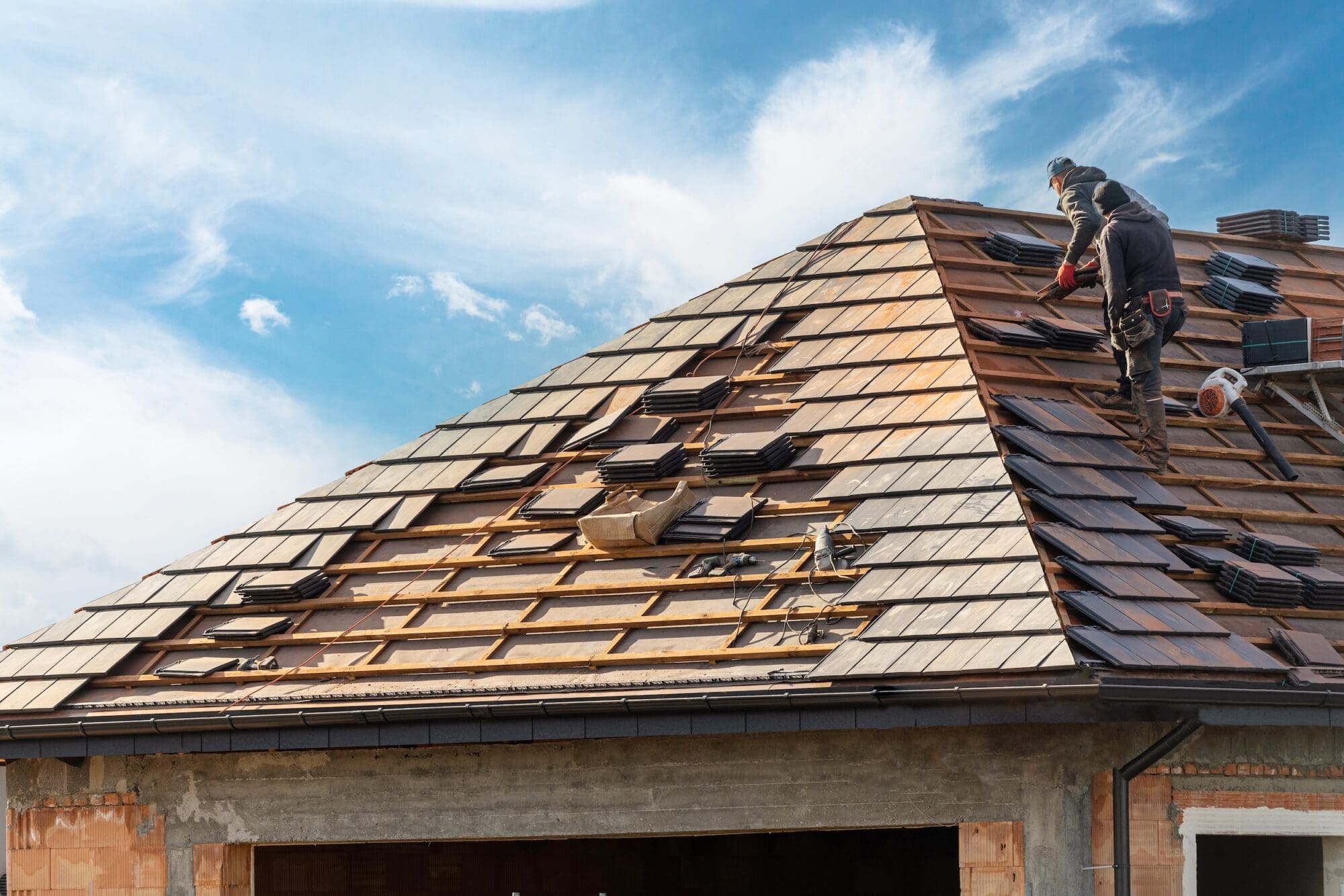
Your roof is one of the most important parts of your home, protecting everything beneath it from the elements. So, when damage happens, one of the first questions homeowners ask is: will home insurance cover my roof replacement? The answer is—it depends on the cause of the damage, the age of your roof, and the details of your specific policy.
When Roof Replacement Is Typically Covered
In most cases, standard homeowners’ insurance policies will cover roof replacement if the damage is caused by a sudden, unexpected event. These are often referred to as “covered perils.”
Some examples include storm damage from wind, hail, or falling debris. If a tree branch crashes onto your roof during a storm or high winds tear off shingles, your insurance will likely help pay for repairs or even a full replacement. Fire damage and certain types of vandalism are also usually covered.
In these situations, insurance is designed to restore your home to its previous condition. Depending on your policy, the insurer might cover either the full replacement cost or the actual cash value, which factors in depreciation.
When Roof Replacement Is Not Covered
Home insurance doesn’t always cover everything. One of the biggest exclusions is damage caused by normal wear and tear. Roofs naturally deteriorate over time due to exposure to sun, rain, and temperature changes. If your roof simply reaches the end of its lifespan, insurance will not pay to replace it.
Lack of maintenance is another common reason for denied claims. If your roof has been neglected—such as missing shingles left unrepaired or ongoing leaks—your insurer might argue that the damage could have been prevented.
Other types of damage, like flooding or earthquakes, might be excluded from standard policies and require you to get separate coverage.
How Roof Age Affects Coverage
The age of your roof plays a big role in how much your insurance will pay. Newer roofs are more likely to qualify for full replacement cost coverage, meaning the insurer pays for a new roof of similar quality without deducting for age.
Older roofs, however, are often covered under actual cash value policies. This means depreciation is factored in, and you might receive significantly less than the cost of a new roof. In some cases, insurers could limit or deny coverage altogether for roofs beyond a certain age.
Because of this, it’s important to understand how your policy treats roof age before you need to file a claim.
What Homeowners Should Do Next
If you’re unsure about your coverage, start by reviewing your insurance policy carefully. Look for details about covered perils, exclusions, and whether your roof is insured for replacement cost or actual cash value.
Regular roof inspections and maintenance are also important. Keeping your roof in good condition not only extends its lifespan but also strengthens your case if you ever need to file a claim.
If damage does happen, document everything with photos and contact your insurance company as soon as possible. Acting quickly can make a big difference in the claims process.
–
Home insurance can cover roof replacement—but only under the right circumstances. Damage from sudden, accidental events is usually included, while wear and tear and neglect are not.
Understanding your policy and staying proactive with maintenance can help you avoid surprises and make sure you’re prepared if the unexpected happens.