
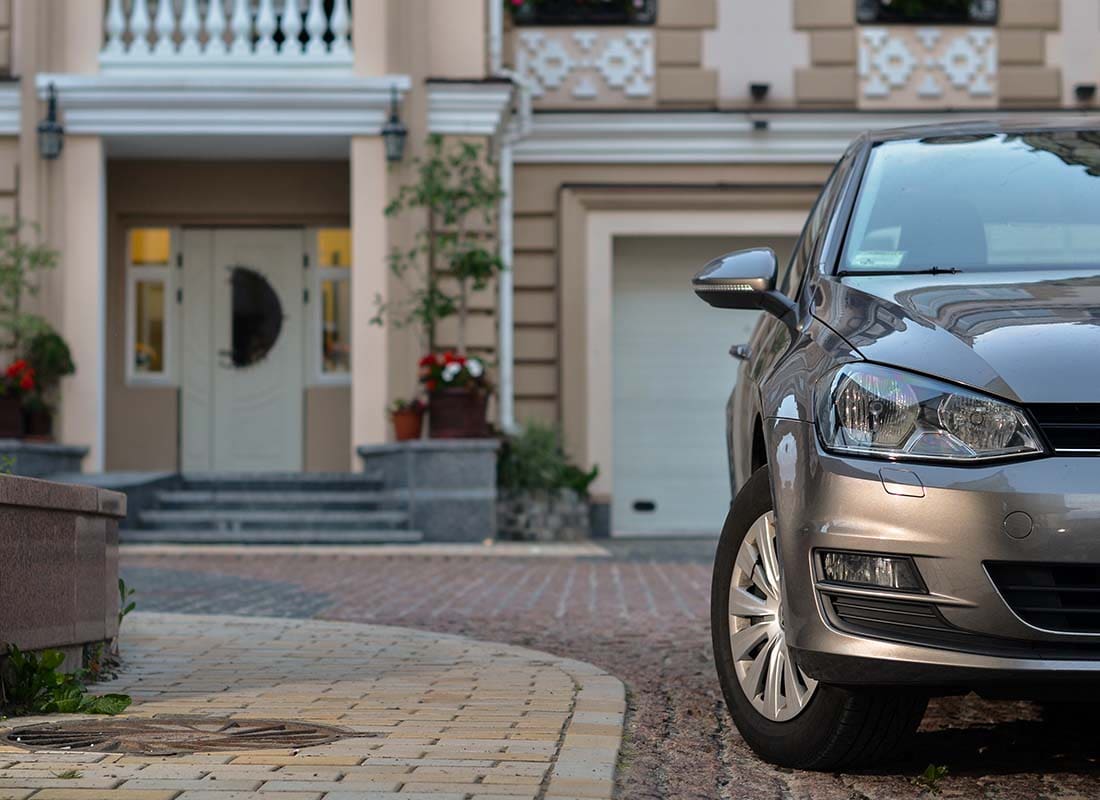
By bundling your home and auto insurance, you could save money with a multi-policy discount.
What does it mean to bundle your home and auto insurance?
Bundling home and auto insurance is the practice of buying these two insurance policies from the same company. Many companies offer a discount when you buy multiple policies and the paperwork can sometimes be easier this way. People often ask, “Should I bundle my home and auto insurance?” There’s no one-size-fits-all answer, so let’s explore this more.
Consider bundling your home and auto insurance.
Many insurance companies will offer you a discount if you choose to get your home and auto insurance bundled with them. These discounts can run anywhere from 10% to 25% of the policy premium, which can result in significant savings. In addition, you may be able to pay the premium for the policies together, which adds convenience. Even if you do have to pay separately, just dealing with one insurance carrier can save you time when your renewal rolls around.
Check the individual policy prices and coverages.
The discount and the convenience of having your home and auto insurance bundled can be very enticing, but if savings are what you’re after, this may not be the least expensive option. Additionally, some companies may only bundle certain policies, leaving you buying more coverage than you need simply to get the bundled rate.
What does it mean to bundle insurance?
Bundling insurance means purchasing multiple insurance policies through one insurance company, which can make it easier to manage your insurance.
How much can you save by bundling insurance?
You may be able to get a multi-policy discount of anywhere from 10% to 25%, so bundling your home and auto insurance can help you save money on your coverage.
You can bundle auto insurance with renters insurance, too.
While home and auto insurance are commonly referred to together as an option to bundle, this doesn’t necessarily help someone who doesn’t own their home. If you have renters insurance (and you should), you may be able to bundle that policy with your auto policy as well.
Questions about bundling your home and auto insurance? Contact us today.
Frequently Asked Questions
What does it mean to bundle home and auto insurance?
Bundling home and auto insurance means purchasing multiple insurance policies (such as homeowners, renters, or condo insurance) from the same insurance company. This often results in a “multi-policy discount”, which can lead to significant savings and improved convenience with only one company, one agent, and one premium to manage.
How much can I save by bundling my home and auto insurance?
Bundling home and auto insurance typically saves you 10% to 30% on total premiums, with average annual savings ranging from roughly fce_id=”fce_69fbd55ac5409″20 to over $950 depending on the provider. Multi-policy discounts, which average around 18%, are a primary way insurers lower costs.
Is bundling always the least expensive option?
No, bundling insurance policies is not always the least expensive option. While combining home and auto policies often provides discounts (typically 10%–25%), it is sometimes cheaper to buy separate policies from different companies if one carrier offers a very low base rate for a specific service.
Can renters bundle their insurance too?
Yes, renters can absolutely bundle their insurance, usually by combining renters and auto insurance under one provider. This often leads to significant savings, typically between 5% and 25% off, and simplifies management with one payment and renewal date. Renters can often see their total premium decrease for both policies.
What’s the main convenience benefit of bundling beyond the discount?
Beyond discounts, the main convenience benefit of bundling is the simplification of management and purchasing, which reduces cognitive load and saves time for the consumer. By consolidating multiple products or services under one provider, customers handle fewer bills, renewal dates, and points of contact.
Let’s Get Started
Home and Auto Insurance (Bundled) Quote Request
"*" indicates required fields
Don’t like forms? Contact us at or email us.
