
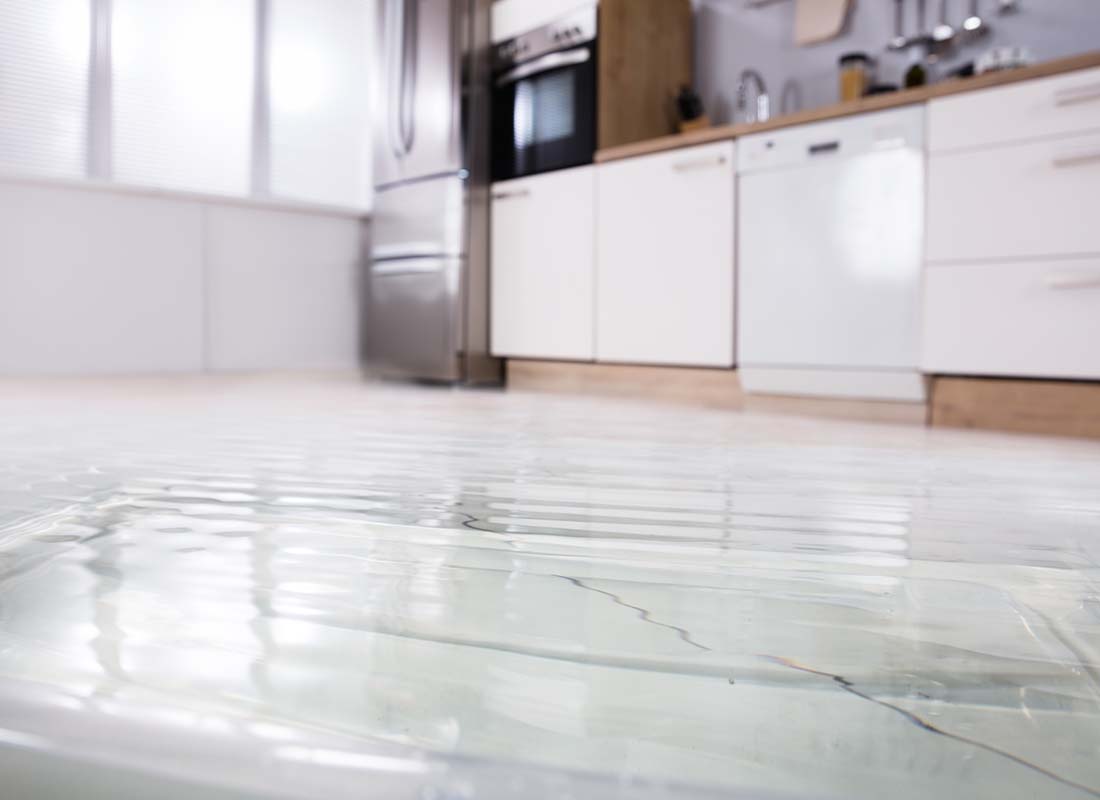
Wherever you live, it’s important to protect your home and your assets by having flood insurance.
Debunking the three myths of flood insurance.
There are three major myths floating around about flood insurance, and if you buy into these myths, you could be taking an unnecessary risk. These myths are that coverage is only needed for people in flood zones, that home insurance covers flooding, and that government programs take care of flood coverage. We’ll debunk these myths so you can understand the full extent of flood coverage and how it actually works.
Flooding is a risk no matter where you live.
The first myth is that insurance is only needed for people living in designated flood zones. In reality, flooding is a potential risk everywhere and the damage can be devastating. Just because you don’t live in a high flood risk area doesn’t mean it’ll never happen to you. You need specialized insurance coverage to help protect your home from rising waters—even if you’re not in a flood zone.
Home insurance doesn’t typically cover flood damage.
Another myth is that home insurance automatically includes flood coverage. In reality, that is usually not the norm, and you should always assume you aren’t covered unless your home insurance policy specifically says otherwise. If it does not include coverage for floods, you’ll need to get a separate flood insurance policy to help protect your home from the unexpected.
Few homes are covered by government programs.
The third myth is that government programs have taken care of damages caused by flooding. There is a National Flood Insurance Program that guarantees the availability of insurance in specific areas. However, this only covers a small percentage of homes. If you do not have coverage through a government program, you’ll need to find a policy that fits your needs.
What is considered a flood?
The specifics of what’s covered may vary depending on your policy, but for the most part, flood policies may cover losses from floods caused by rainstorms, snowmelt, storm drainage systems, and dam failures.
What is the cost of flood insurance?
Costs for your flood policy may depend on the amount of risk for flooding in the area where your home is.
The difference between having and not having a flood policy.
For most homeowners, floods are a low likelihood but high-cost risk. If you are hit by flooding you could lose most of your personal possessions, face major reconstruction work, or even be left homeless for months while your property is made habitable again. In most cases, not having coverage for flooding is a chance you simply can’t afford to take. There are many factors that go into tailoring a policy for your home, so it’s important to understand the reality of insurance and why it’s important to have it.
Do you need flood insurance for your home? Contact us to go over the benefits of obtaining a separate policy to fill in the gaps of your home insurance policy.
Frequently Asked Questions
Does homeowners insurance cover flood damage?
No, standard homeowners insurance does not cover flood damage. Flooding, defined as rising water from external sources like heavy rain, overflowing rivers, or storm surges, requires a separate policy, typically through the National Flood Insurance Program (NFIP). While homeowners insurance covers sudden indoor water damage (like a burst pipe), it excludes ground-level flooding.
Do I only need flood insurance if I live in a designated flood zone?
No, you do not only need flood insurance if you live in a designated high-risk flood zone. While lenders only require it in high-risk areas (Special Flood Hazard Areas), over 40% of flood insurance claims come from outside these zones, as standard homeowners policies do not cover flooding.
Does the government’s National Flood Insurance Program cover my home?
Yes, the government-backed National Flood Insurance Program (NFIP) covers homes, provided your community participates in the program. It offers up to fce_id=”fce_69fd2007238b8″50,000 for building structural damage and vc_column_text00,000 for personal property (contents). Coverage includes foundation walls, electrical/plumbing systems, and furnaces, but generally excludes finished items in basements and vehicles.
What events are typically covered by a flood insurance policy?
Flood insurance typically covers direct physical losses from rising water (inundation) caused by heavy rainfall, rapid snowmelt, coastal storm surges, blocked storm drainage systems, or levee/dam failures. Policies generally require the flood to cover at least two acres or affect two or more properties to qualify.
How is the cost of flood insurance determined?
Flood insurance costs are determined by evaluating a property’s unique risk, primarily based on its location (flood zone/distance to water), elevation, construction type, and replacement cost. Premiums are calculated using FEMA’s Risk Rating 2.0, which analyzes flood frequency and building characteristics rather than just map zones.
Let’s Get Started
Flood Insurance Quote Request
"*" indicates required fields
Don’t like forms? Contact us at or email us.
